Shares of Constellation Brands plummet as the Modelo producer cuts its guidance and observes a decline in Hispanic consumers
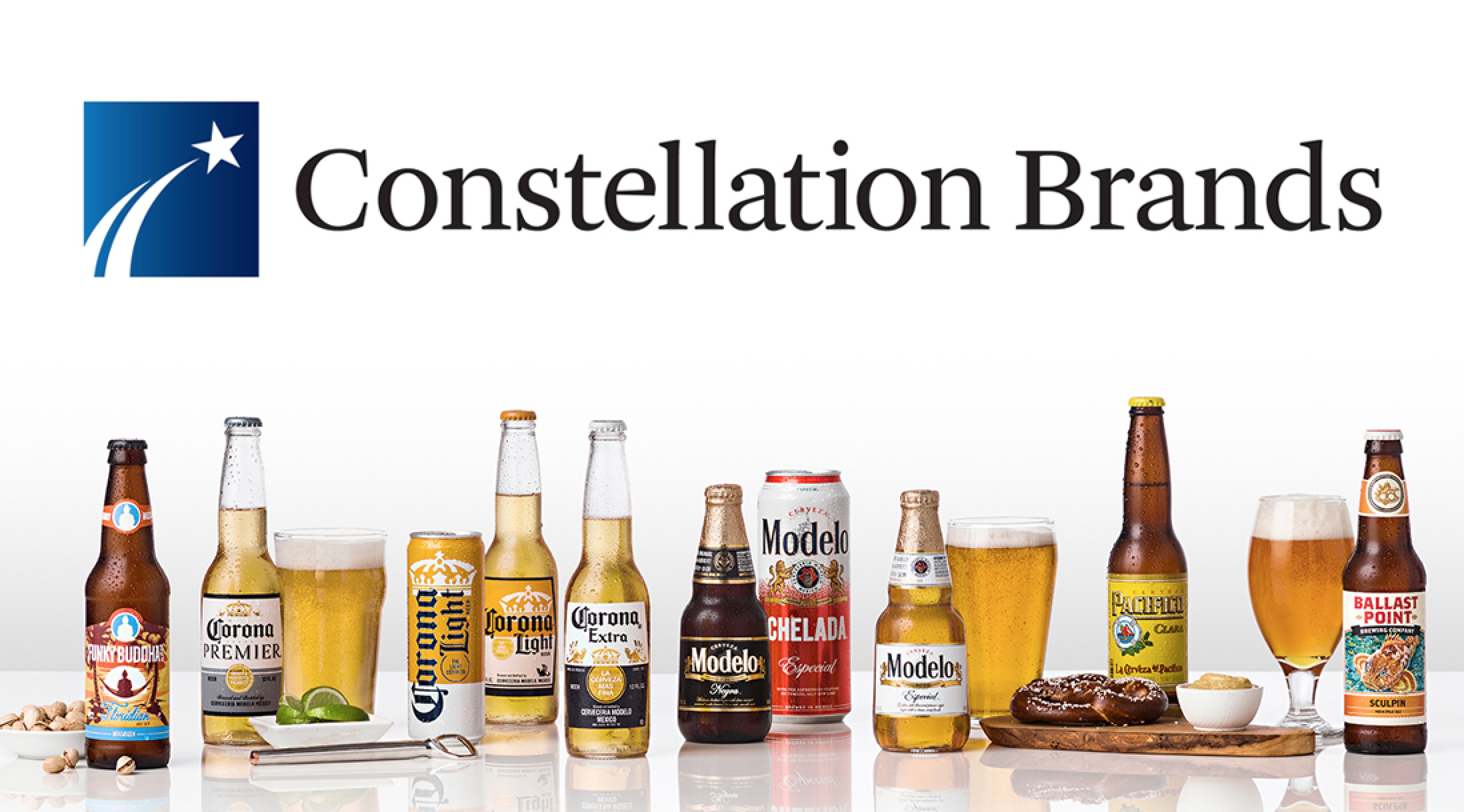
Constellation Brands reduced its outlook for the entire fiscal year, citing that its alcohol sales are being impacted by a “challenging” economy.
The firm, known for well-known brands such as Modelo and Corona. Had stated in April that increased U.S. beer tariffs would impact its sales and overall consumer demand. On Tuesday, Constellation reduced its forecast for comparable earnings per share in fiscal 2026 to between $11.30 and $11.60, a decrease from the previous range of $12.60 to $12.90.
On Tuesday morning, the stock dropped approximately 6%, briefly reaching a 52-week low. Later on Tuesday, Constellation is scheduled to take part in the 2025 Barclays Global Consumer Staples Conference.
In a statement, CEO Bill Newlands noted, “We continue to navigate a challenging macroeconomic environment that has dampened consumer demand and led to more volatile consumer purchasing behavior since our first quarter of fiscal 2026.” “In the past few months, the buy rates for premium beer have slowed down on a sequential basis, due to decreases in both trip frequency and spending per trip.”
The company anticipates that net beer sales will decline by 2% to 4% as a result of reduced volumes and further tariff effects. It had previously expected sales to range from being flat to an increase of 3%. Additionally, Constellation is revising its estimate of free cash flow downward from a range of $1.5–$1.6 billion to a range of $1.3–$1.4 billion.
He noted the decreasing demand from Hispanic consumers, a trend that has been observed by the company for several months. Newlands noted that the sales of premium beer for the population were “more pronounced than general market declines.”
The company has progressed in compensating for its losses. It announced in April that it was realigning its portfolio by divesting from «mainstream» wines. Constellation has also initiated a share repurchase program, which it reported on Tuesday has resulted in $604 million worth of buybacks in the first half of the fiscal year, under its three-year authorization for share repurchases amounting to $4 billion.