Tariffs on Chinese cars will boost sales of vehicles manufactured in Mexico
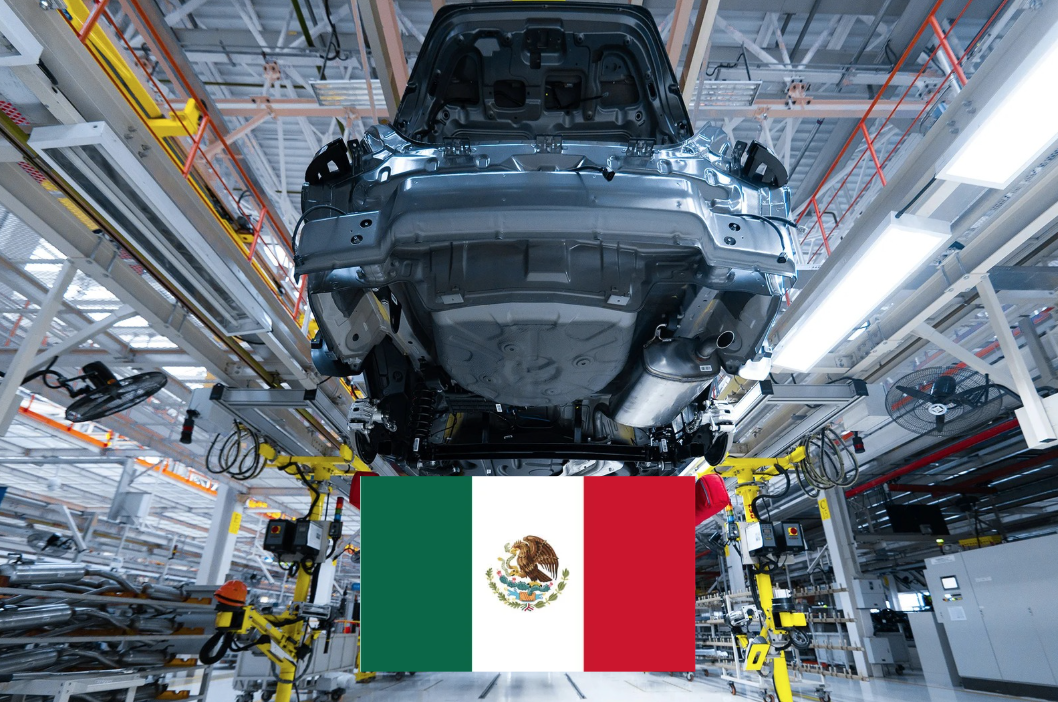
Claudia Sheinbaum Pardo’s government’s tariffs on cars from China, South Korea, India, and Thailand are expected to stimulate sales of Mexican-made vehicles. According to José Rogelio Garza Garza, Executive President of the Mexican Automotive Industry Association (AMIA).
The same secretary (of Economy) Marcelo Ebrard had commented that there were companies offering prices below inventory. Which helps (the imposition of tariffs on cars imported from China, South Korea, India, and Thailand). To balance the Mexican automotive market.» Said the businessman at the 23rd International Automotive Industry Congress (CIIAM), organized by the National Auto Parts Industry.
According to AMIA’s president, the Sheinbaum administration’s approach strikes a balance between market and domestic competition.
The application of duties on cars imported from countries with which Mexico has no trade agreements or treaties would progressively improve international competition, according to the administration.
“Chinese brands have managed to position themselves in the electric vehicle and automobile market in Mexico, thanks to technological advances and low prices. Which have raised concerns in Claudia Sheinbaum’s government, which seeks to control their arrival and defend the automotive industry with tariffs,” he explained.
Mexico proposed a tariff of 50% on light automobiles imported from China, South Korea, India, Thailand, Indonesia, Russia, and Turkey.
Mexico consulted and listened to any country that felt affected by a tariff decision that had not been addressed by the World Trade Organization (WTO), according to Secretary of Economy Marcelo Ebrard.
The Mexican administration is listening to China, South Korea, India, Thailand, and other nations that have tariffs in place to «see what their arguments are and present ours.»
The Ministry of Economy’s argument centers on the fact that Mexico’s trade deficits with China, South Korea, India, and Thailand. This increased by 83% between 2020 and 2024, according to an official at the time.