Amid the surge in AI deals, Nvidia invests $2 billion in Synopsys
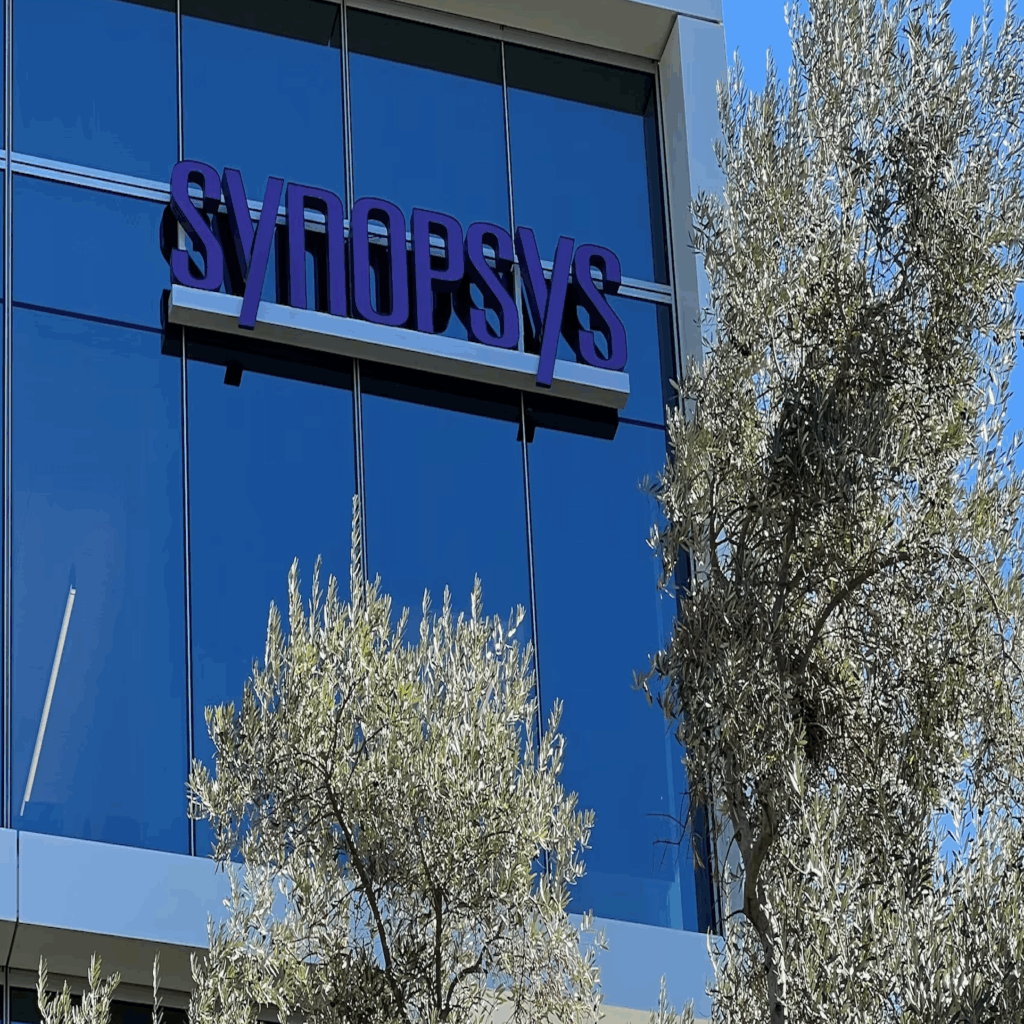
Nvidia invested $2 billion in Synopsys, a semiconductor design software firm, as part of an expanded multi-year agreement to jointly develop new tools that will enable product creation across diverse industries using its AI technology.
Amid worries about the growing number of circular business arrangements, the businesses announced the agreement on Monday, adding to Nvidia’s expanding number of new alliances in the artificial intelligence ecosystem.
In pre-market trade, Nvidia shares dropped by over 2%, while Synopsys shares increased by 7%.
This year, the most valuable firm in the world made billion-dollar investments in businesses associated with the rapidly expanding AI industry. These investments ranged from a $5 billion stake in Intel to agreements permitting up to $100 billion in OpenAI, the parent company of ChatGPT.
Nvidia, a Synopsys customer, acquired the company’s common stock at $414.79 per share, the companies announced Monday. Representing a discount of approximately 0.8% from Friday’s closing price.
Partnership Synopsys with Nvidia
Under this partnership, Synopsys will utilize Nvidia’s suite of developer tools and code libraries to work on its applications. Which encompass chip design, physical verification, molecular simulations, and other processes related to electronic data acquisition (EDA).
«The complexity and cost of developing next-generation intelligent systems demand engineering solutions with greater integration of electronics and physics. Accelerated by AI and computing capabilities,» said Sassine Ghazi, CEO of Synopsys. Nvidia, a Synopsys customer, acquired the company’s common stock at $414.79 per share, the companies announced Monday, representing a discount of approximately 0.8% from Friday’s closing price.
Under this partnership, Synopsys will utilize Nvidia’s suite of developer tools and code libraries to work on its applications. Which encompass chip design, physical verification, molecular simulations, and other processes related to electronic data acquisition (EDA).
«The complexity and cost of developing next-generation intelligent systems demand engineering solutions with greater integration of electronics and physics, accelerated by AI and computing capabilities,» said Sassine Ghazi, CEO of Synopsys.