Drug manufacturers concerned about the legal risk of the FDA’s rapid review program
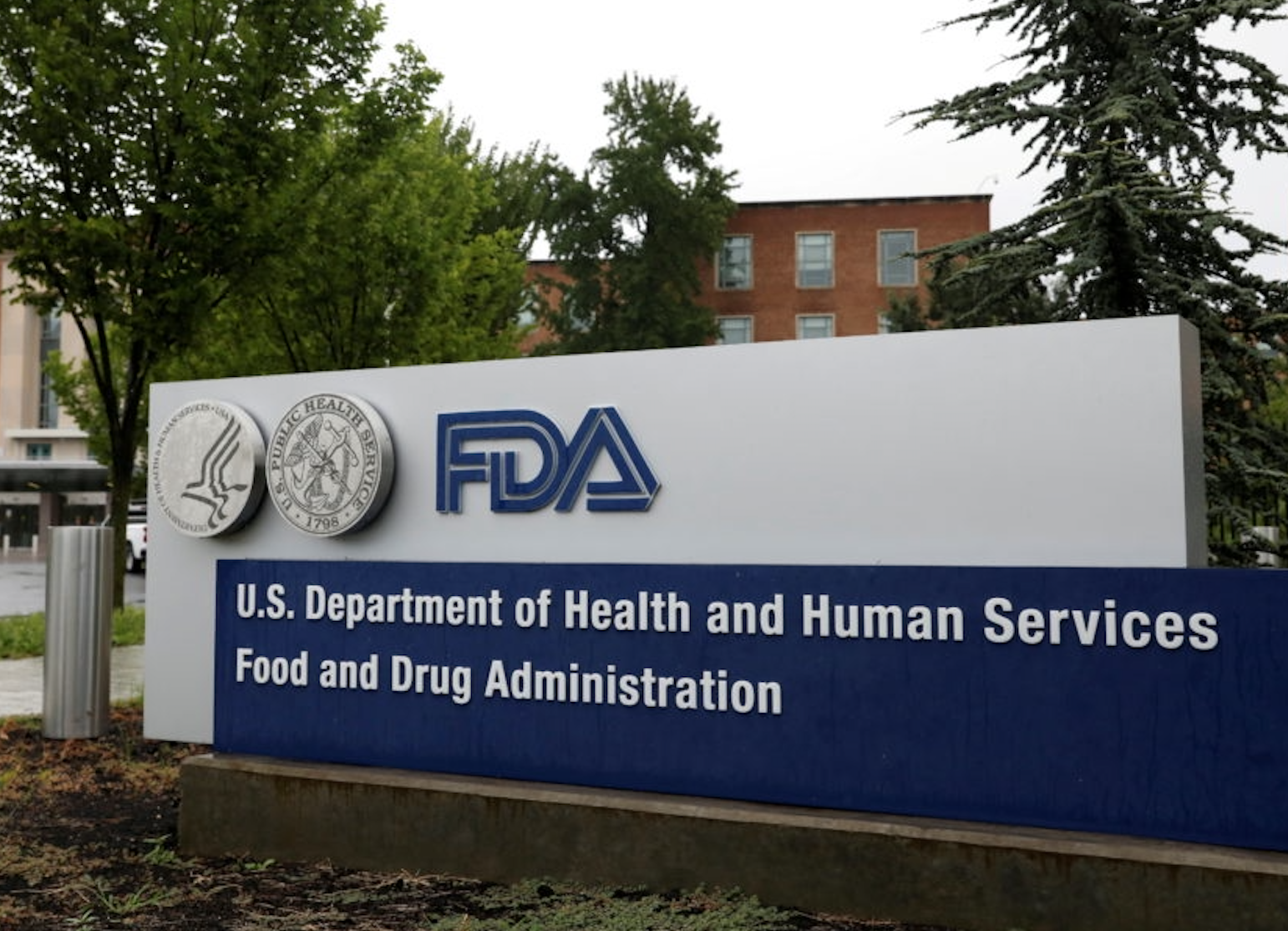
Six industry sources told Reuters that while more than six big pharmaceutical companies are taking part in the Trump administration’s expedited review program for new pharmaceuticals. Other top pharmaceutical corporations are wary of what they perceive to be possible legal concerns.
Marty Makary, the head of the U.S. Food and Drug Administration, has one to two months to make approval decisions under the FDA Commissioner’s National Priority Voucher Program. Which was introduced in June, for a restricted number of medications that are considered essential to national security or public health, or that were produced domestically or sold at low prices.
Standard evaluations can take up to a year, but the FDA has traditionally offered a six- to eight-month fast-track review option for medications that address important U.S. health needs.
Pharmaceutical company executives and consultants stated in interviews this week at the JP Morgan Health Conference in San Francisco. That one of their primary worries was that a two-month assessment might not attain the scientific rigor required to evaluate a drug’s efficacy and safety.
If patients encounter severe side effects after approval, that might damage the FDA’s decision’s credibility and increase a medication manufacturer’s legal risk, they warned.
According to a top pharmaceutical executive, his company would not apply for a priority voucher because they were worried that FDA approvals would be contested in court and were not sure the program would continue after this administration. They voiced their worries about a Trump administration plan under the condition of anonymity.
One of the main concerns, according to a Washington-based attorney who specializes in FDA regulatory affairs. Is if the voucher program may influence the agency’s choices over what side effects or adverse events should be listed in a drug’s prescribing material.
Manufacturers will have a greater obligation to notify consumers about the possible risks of using their products. If plaintiffs can persuade judges that FDA labeling regulations are unreliable due to their hasty issuance.
Also read: https://financialtipster.com/?s=FDA