Jet fuel hits its peak price since the start of the Iran war
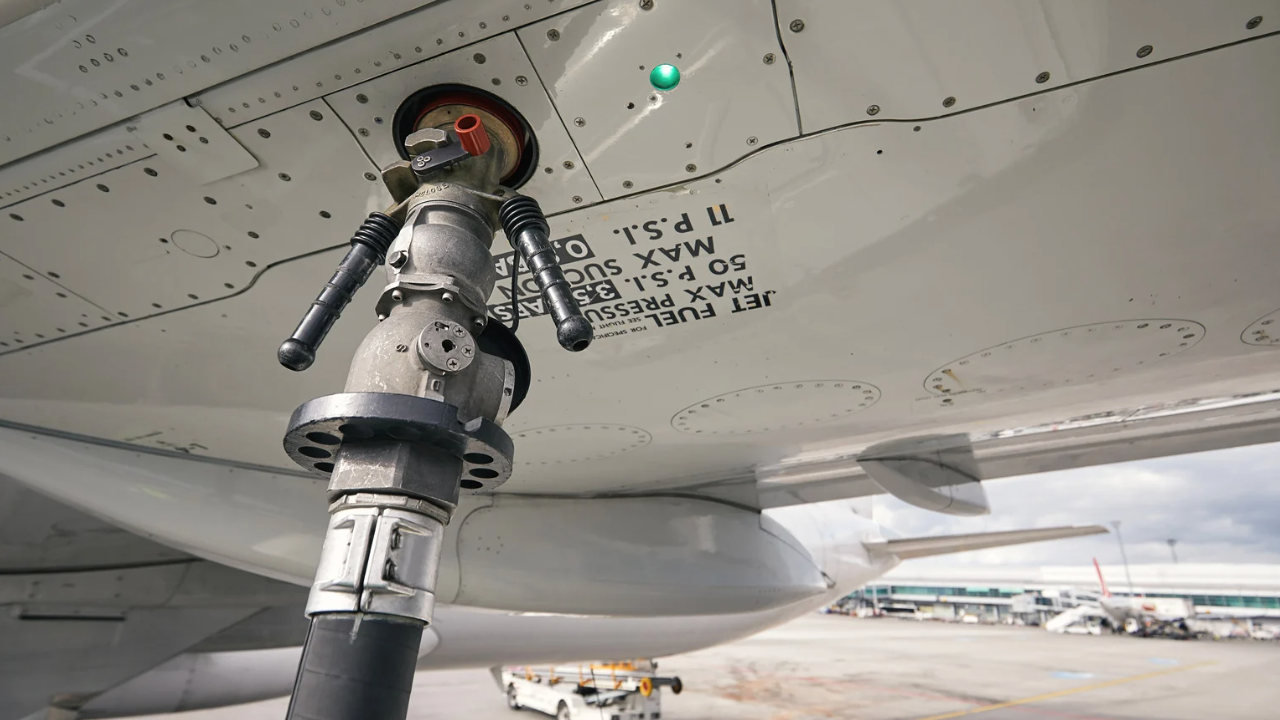
Airline experts anticipate rising jet fuel costs and reduced consumer demand, two factors likely to keep exerting pressure on airlines until 2027.
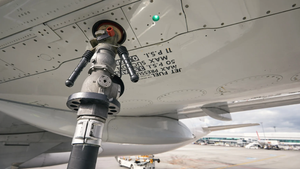
On Thursday, the cost of jet fuel hit $4.90 per gallon—equivalent to $206 per barre. The highest since the Iran conflict started in late February, as reported by the Argus U.S. Jet Fuel Index.
Jet fuel prices have increased by 96% compared to before the conflict started, and aviation specialists anticipate prices may rise substantially through next year.
When jet fuel prices surpass $200 per barrel, «ticket prices can’t increase quickly enough to offset fuel expenses,» John Gradek, a specialist in aviation risk management at McGill University, informed Forbes in an email on Friday.
Profit projections
Each of the «Big Four» airlines has reduced their projections for full-year profits, attributing the change to increased jet fuel expenses.
Despite airfares being 20% to 30% more expensive than a year ago, airlines have indicated strong demand, particularly from their high-paying customers. «The fourth quarter is likely to present operational challenges, as jet fuel prices are anticipated to stay elevated, capacity plans are being scaled back, and consumer revenue trends remain strong,» stated Liam Dorsey, an analyst at Third Bridge.
“The significant question that lingers is the duration of this consumer resilience.” As the situation with Iran persists, certain airline leaders are starting to question how much longer wealthy customers will maintain their demand. “At some stage, all this inflation will ultimately reduce people’s wealth,” an airline CEO remarked to the Financial Times last week. Gradek and Harteveldt informed Forbes that they are beginning to observe signs of weakening demand.
“People are experiencing economic hardship; our research indicates that even individuals earning between $100,000 and $150,000 report they have less money for travel than they expected,” said Harteveldt. «We haven’t reached a stage where the ‘super-premium’ traveler is losing confidence. And I believe we won’t get there unless a significant economic downturn occurs. But we are noticing a feeling of uncertainty among wealthy consumers who may still value travel in their expenditures, yet are required to make changes.