As the war with Iran raises gasoline prices, international airlines boost ticket prices
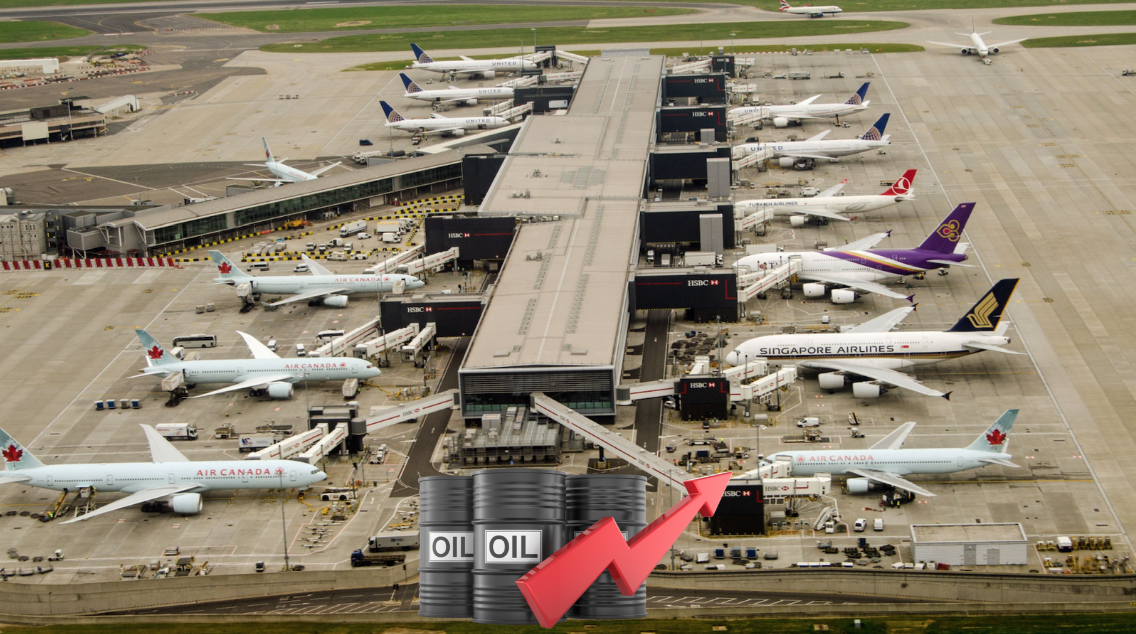
Air New Zealand, Scandinavia’s SAS, and Australia’s Qantas Airways all announced fee increases on Tuesday. Citing the steep spike in fuel prices driven by the Middle East crisis that is rocking the global aviation industry.
Due to the uncertainties surrounding the battle, New Zealand’s flag carrier claimed that jet fuel prices. Which were between $85 and $90 per barrel before to the US and Israeli attacks on Iran, have surged to between $150 and $200. As a result, it suspended its financial estimates for 2026.
Due to the war’s disruption of shipping along the world’s most significant oil export route oil prices skyrocketed. Which had a detrimental effect on international travel, increased airfares on some routes, and raised concerns of a steep fall in travel.
Due to market uncertainty, the biggest airline in Scandinavia temporarily modified its fuel hedging strategy last year and announced that it would not be hedging fuel consumption for the upcoming year.
Oil hedges allow a number of Asian and European airlines, including Ryanair and Lufthansa, to secure a portion of their fuel supply at fixed prices
Finnair, which had hedged over 80% of its fuel imports in the first quarter, cautioned that if the crisis continued. Even fuel availability might be jeopardized. Due to the war’s disruption of shipping along the world’s most significant oil export route, oil prices skyrocketed, which had a detrimental effect on international travel, increased airfares on some routes, and raised concerns of a steep fall in travel.
Due to market uncertainty, the biggest airline in Scandinavia temporarily modified its fuel hedging strategy last year and announced that it would not be hedging fuel consumption for the upcoming year.
Oil hedges allow a number of Asian and European airlines, including Ryanair and Lufthansa, to secure a portion of their fuel supply at fixed prices.
Finnair, which had hedged over 80% of its fuel imports in the first quarter, cautioned that if the crisis continued, even fuel availability might be jeopardized.
Kuwait, a significant exporter of fuel for aircraft to the northwest of Europe, had financial difficulties.