Amazon is increasing its space aspirations, but it still has an issue
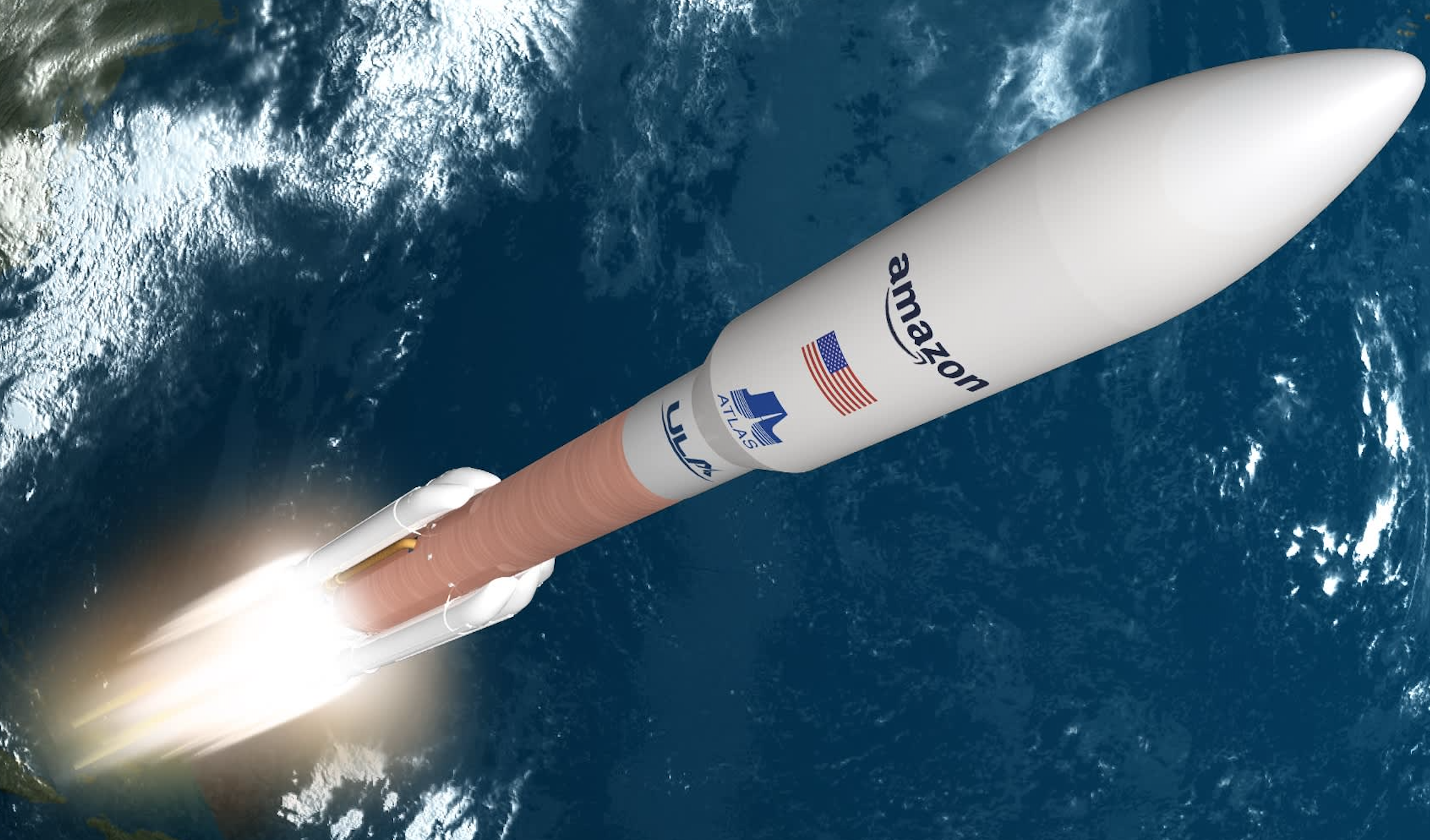
Analysts pointed out that while Amazon’s $11.6 billion acquisition of Globalstar supports its space aspirations with satellites and wireless airwaves. It won’t address the acute lack of rocket launches required to develop a network competitive with SpaceX.
Amazon has only deployed 243 of the 3,236 satellites it pledged in 2019 to place in low Earth orbit and provide internet to customers, businesses, and governments. Due to a scarcity of rockets, production hiccups, and launch delays.
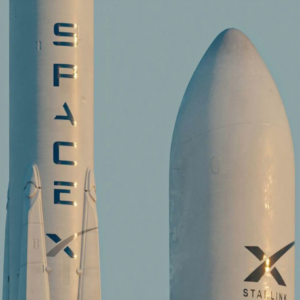
The internet giant’s reliance on outside suppliers and the constraints this has on the speed of its network deployment are highlighted. The fact that this scarcity has even compelled it to rely on SpaceX’s Falcon 9 rockets for some launches.
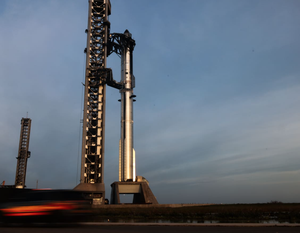
With a network of 10,000 satellites, SpaceX, on the other hand, has established a major edge in scale and coverage by rapidly deploying Starlink using its own rockets.
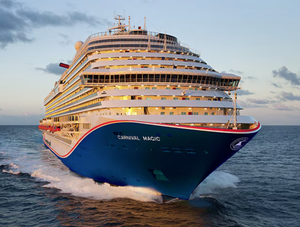
With possible clients ranging from airplanes and cruise lines to companies in remote locations and billions of people. Without dependable broadband connection, Amazon and SpaceX are vying for a lucrative market for internet from space.
According to Gregory Radisic, a senior lecturer and professor at Bond University, «the gap remains structural, not just numerical, until Amazon resolves the issues of deployment speed and access to launch slots.»
While Starlink has concentrated on internet services and is creating comparable capabilities through partnerships with telecoms firms. The Globalstar network is built for direct connections to mobile devices.
In order to reach the July deadline and launch about 1,600 satellites—roughly half of its intended constellation—Amazon asked the U.S. Federal Communications Commission (FCC) for a two-year extension earlier this year. The FCC hasn’t decided anything yet.
The long-term solution by Amazon might be more accessible
Jeff Bezos launched Blue Origin, a rocket business that is working on New Glenn, a heavy-lift rocket that can transport big satellite payloads and is largely reusable.
As Blue Origin looks for more frequent missions, New Glenn is still in the testing stage after making its first flight in January 2025. However, it has not yet reached the launch cadence needed to support Amazon’s satellite deployment, keeping the company dependent on external providers.