In three new American cities, Waymo introduces robotaxis
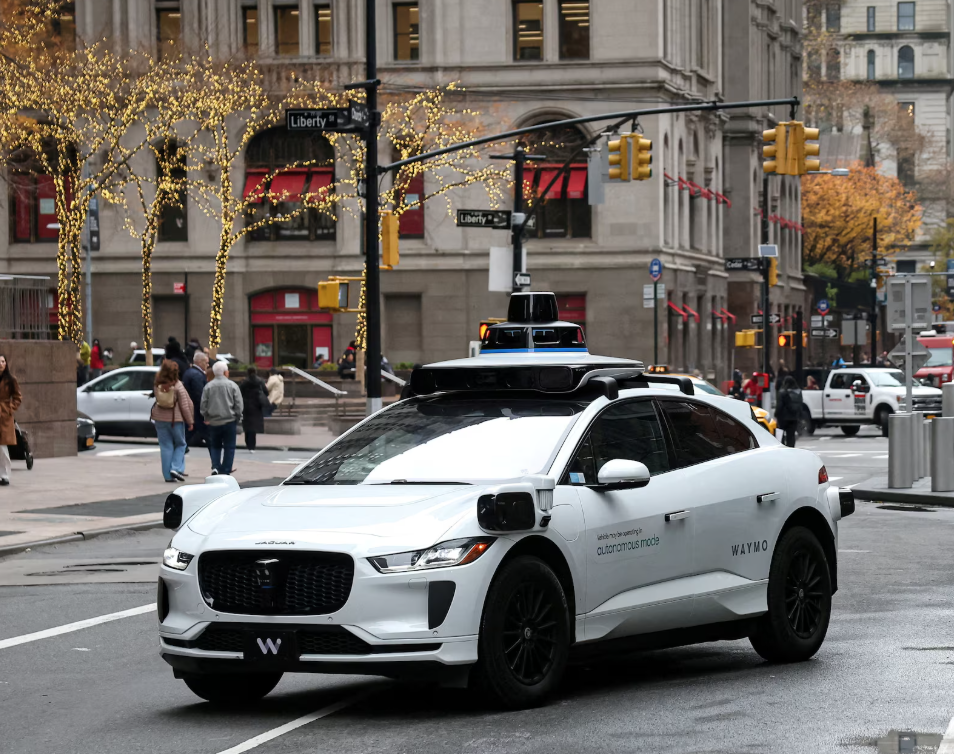
On Tuesday, Waymo, Alphabet’s autonomous driving division, started carrying people in self-driving cars in Denver, San Diego, and Tampa. Meanwhile, Zoox, its rival, revealed that it had expanded its testing to San Diego and Houston.
With the addition of these three cities, Waymo now offers fully autonomous rides in 14 U.S. locales. Tens of thousands of users have registered to use the service in these new locations, according to a statement.
The business intends to progressively increase accessibility until the service is made available to everyone. At first, access will be restricted to a small group of users.
“We are focused on making everyday transportation safer, simpler, and more accessible,” said Waymo’s Chief Marketing Officer, Suzanne Philion.
According to the firm, over the past few months, it has been testing its autonomous driving system on the streets of these three cities. When compared to human drivers in comparable circumstances, its vehicles are involved in 94% fewer accidents that result in significant injury or death.
Amazon-owned Zoox announced on Tuesday that it will begin testing operations in Houston and San Diego in tandem with Waymo’s announcement. Increasing the number of U.S. locations where it conducts trials to 12.
Zoox will not yet provide public transportation services in these two cities, in contrast to Waymo. Before beginning autonomous testing, the corporation will map the streets using traditional, modified vehicles that are humanly operated.
It then intends to launch its specially developed robotaxis, which is meant to function without a steering wheel or driver’s seat. Although it did not specify when commercial operation would begin.
Zoox clarified that San Diego will be used to assess highway operations and coastal fog conditions. While Houston will enable it to test its system against high temperatures, intense rain, and urban flooding.